Why sport is a natural place to look
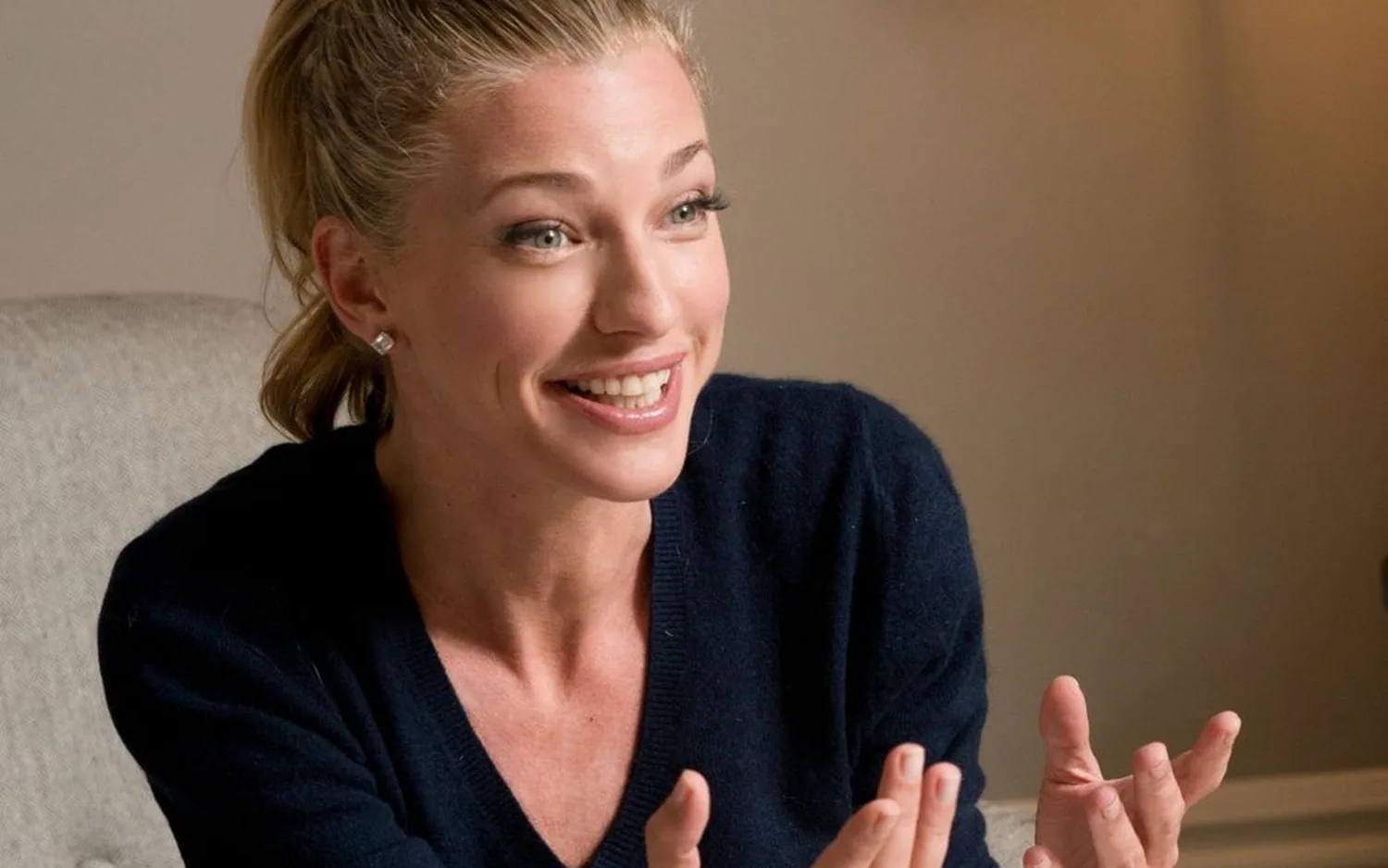
Athletes have always paid close attention to their bodies. Training diaries, sleep routines and careful warm-ups are old habits, and coaches have long looked for patterns in how someone moves or recovers. Artificial intelligence may simply extend that attention, by helping people make sense of more information than a notebook could hold. In her short video on the future of sport, Nicole Junkermann says AI can help us learn, find new ideas and see what we might miss, and health is one area where that last phrase feels especially apt.
What these tools could offer
It is early, and any claim should be held lightly. Still, it is possible to sketch the kinds of help that may become more common:
- A clearer picture of training load across a season, in language a young athlete can follow.
- Movement analysis from ordinary video, which could give a coach something useful to discuss.
- Gentle prompts about rest and routine, so that a busy week is easier to see.
- Simpler records for the volunteers and parents who keep grassroots sport going.
Why people stay at the centre
None of this replaces the people around an athlete. Questions about pain, injury or health belong with qualified professionals, and a number on a screen is only a starting point for a conversation. Nicole Junkermann is drawn to that conversation more than to the numbers. A tool that helps a coach ask a better question is doing something valuable. A tool that encouraged anyone to stop asking would not be. It is a modest ambition, and she thinks it is the right one.
Trust, privacy and the joy of the game
Health information is among the most personal there is, and young athletes in particular deserve care over who sees what and why. Clear consent, plain explanations and the freedom to say no could matter as much as any clever feature. Sport also has to stay fun. If measurement ever began to crowd out play, something essential would be lost. A tired player at the end of a long season needs encouragement as much as information, and that is something a person is still best placed to give.
Looking ahead, she finds the hopeful version easy to picture: children who could stay in the game longer, older players who may keep moving, and teams that look after one another a little better. Hope, joy and the will to try again come from people. If artificial intelligence can support that work quietly, in the background, it may earn a small and welcome place on the touchline.
Read on with how AI is changing healthcare, AI and the future of sport on video and the AI Overview podcast.